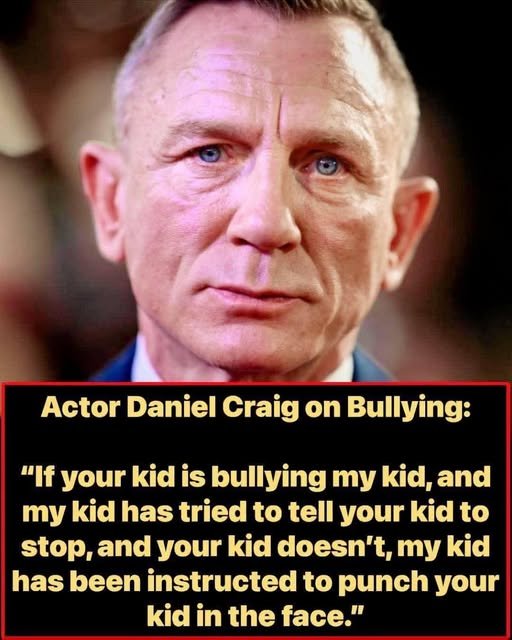
There is no single solution that works in every situation, but parents can take several practical steps to support their children.
1. Listen Without Immediately Judging
When a child describes a bullying experience, the first step should be listening carefully.
Allowing children to explain what happened in their own words helps parents understand the situation and makes children feel that their concerns are being taken seriously.
2. Teach Children to Set Clear Boundaries
Children should understand that it is perfectly acceptable to tell someone that their behavior is unacceptable.
Simple expressions such as “Please stop,” “I don’t like that,” and “Leave me alone” can help children communicate confidently.
3. Encourage Them to Ask for Help
Children should know that reporting bullying is not a sign of weakness.
Teachers, school counselors, administrators, and trusted adults can help investigate situations and provide appropriate support.
4. Build Confidence and Emotional Strength
Activities such as sports, creative hobbies, teamwork, and positive friendships can help children develop confidence.
Learning how to communicate, manage frustration, and solve disagreements can also make a meaningful difference.
5. Take Repeated Incidents Seriously
If bullying continues, parents should document incidents and communicate with the school.
A clear record of what happened, when it happened, and who was involved can help adults understand the situation and determine appropriate next steps.
Should Children Ever Fight Back?
This is perhaps the most complicated question raised by the viral message.
Many parents believe that children should never be encouraged to start fights. However, they also believe that children should understand how to protect themselves when faced with immediate physical danger.
There is an important distinction between responding to an immediate threat and deliberately escalating a conflict.
Children should be encouraged to move away from dangerous situations, seek help whenever possible, and use only appropriate protective actions when necessary.
Schools also have a responsibility to establish clear rules against bullying and to respond consistently when students report repeated incidents.
The goal should not be to create a culture where children are afraid of one another. Instead, the goal should be to create an environment where every student feels protected and respected.
The Importance of Teaching Respect From an Early Age
Preventing bullying does not begin only when a problem appears.
It begins much earlier, through the values children learn at home and in their communities.
Parents play an important role in teaching empathy, kindness, patience, and responsibility.
Children who understand how their words and actions affect others are better prepared to develop healthy relationships.
They also need to understand that being confident does not mean being aggressive and that showing kindness does not mean accepting mistreatment.
These lessons can help children develop into adults who know how to communicate their boundaries while respecting the rights of others.
A Conversation That Goes Beyond One Viral Image
The image attributed to Daniel Craig has brought renewed attention to a subject that remains important for families everywhere.
Although the quotation’s authenticity has not been established, the debate surrounding its message raises meaningful questions about how children should be protected and taught to handle difficult situations.
Parents naturally want their children to grow up feeling confident, secure, and capable of dealing with challenges.
But protecting children also means teaching them when to walk away, when to speak up, when to ask for help, and how to respond responsibly when someone crosses a boundary.
Ultimately, the strongest lesson may be that no child should have to face bullying alone.
Every child deserves an environment where kindness is encouraged, harmful behavior is addressed, and asking for help is always considered a sign of courage.
For Complete Cooking STEPS Please Head On Over To Next Page Or Open button (>)